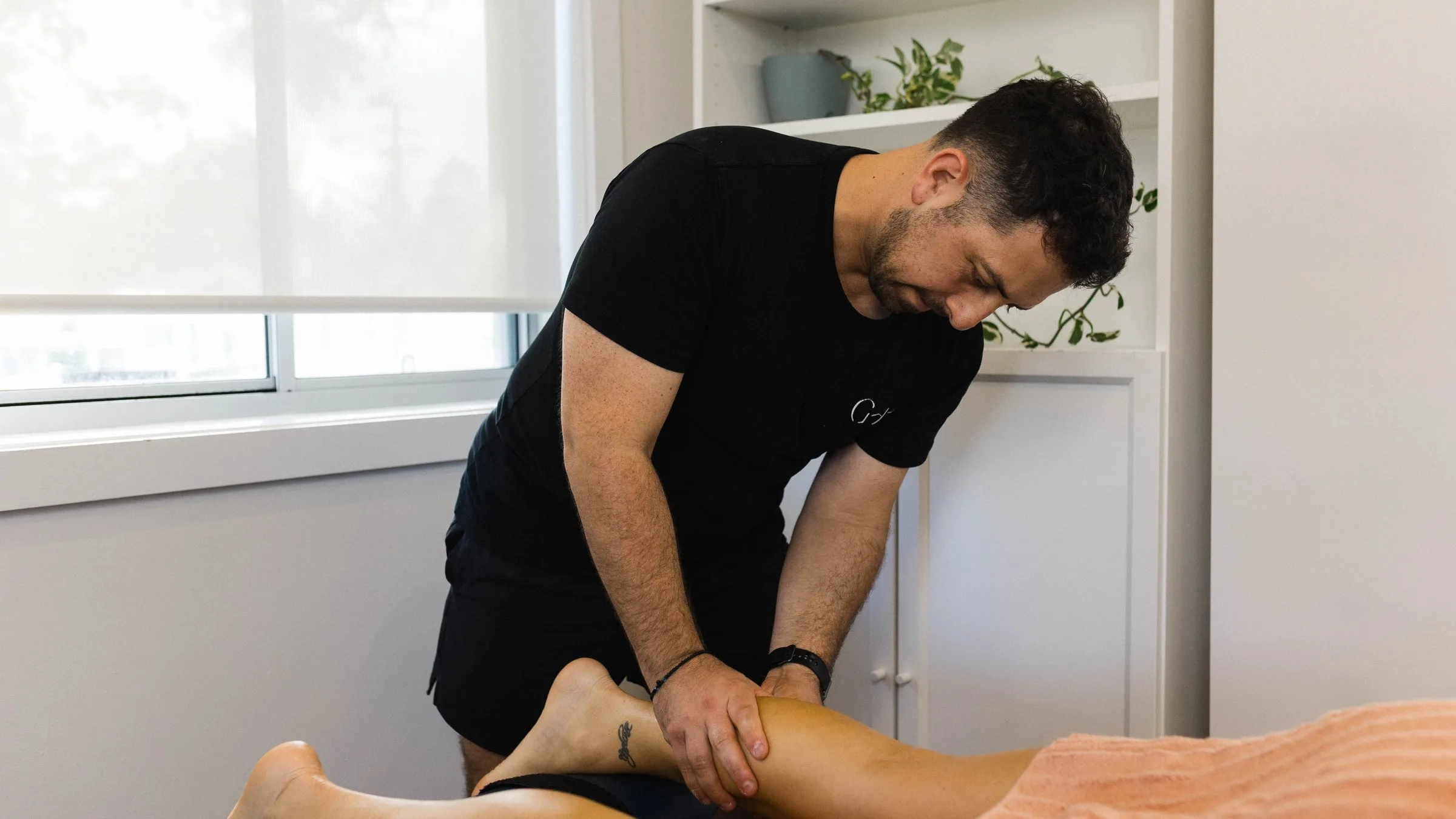
Recovering From a Sports Injury: A Physiotherapist’s Guide
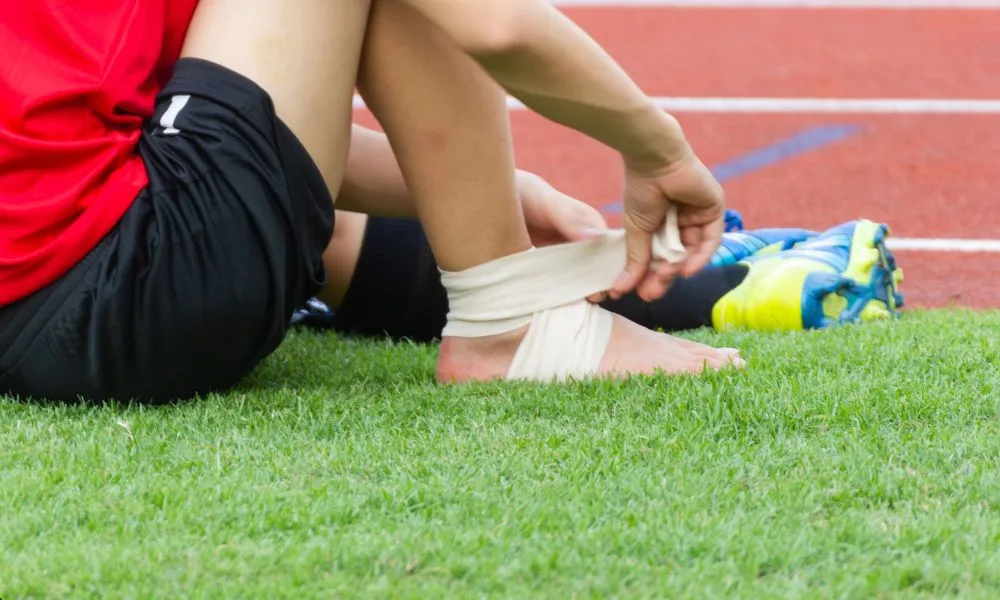
A sports injury can disrupt more than just your training. It can affect your daily routine, confidence, and overall movement. Whether it is a minor strain or something more serious, the way you recover plays a big role in how quickly and safely you return to activity.
Following the right approach to recovering from a sports injury helps reduce setbacks, rebuild strength, and prevent the same issue from coming back.
Summary: Recovering from a sports injury involves more than rest. A structured approach that includes physiotherapy, strength training, and gradual return to activity helps restore movement, reduce pain, and prevent re-injury for long-term performance.
Understanding Sports Injuries
Sports injuries can happen suddenly or develop over time due to overuse. Common types include:
- Muscle strains
- Ligament sprains
- Tendon injuries
- Joint pain or instability
Each injury requires a different recovery approach, which is why proper assessment is important.
The Importance of Early Treatment
Ignoring pain or pushing through an injury can lead to longer recovery times and increased risk of complications.
Early intervention when recovering from a sports injury allows for:
- Accurate diagnosis
- Reduced inflammation and pain
- Faster recovery timelines
- Prevention of further damage
Getting the right support early sets the foundation for a smoother recovery.
The Key Stages of Recovery
Recovering properly involves progressing through several stages. Skipping steps can increase the risk of re-injury.
1. Pain and Inflammation Management
The first step focuses on reducing pain and swelling.
This may include:
- Rest and activity modification
- Ice or heat therapy
- Gentle movement to avoid stiffness
2. Restoring Mobility
Once pain begins to settle, the focus shifts to restoring movement.
This involves:
- Stretching exercises
- Joint mobilisation techniques
- Gradual return to the normal range of motion
3. Rebuilding Strength
Strength is essential for supporting the injured area and preventing future issues.
A physiotherapist will guide you through:
- Progressive strength exercises
- Targeted muscle activation
- Stability training
4. Returning to Activity
The final stage of recovering from a sports injury is returning to your usual activities or sport.
This is done gradually to ensure:
- The body can handle increased load
- Movement patterns are safe and efficient
- Confidence is restored
How Physiotherapy Supports Recovery
Physiotherapy plays a central role in guiding each stage of recovery.
Treatment may include: Hands-on therapy To reduce stiffness and improve joint movement. Exercise rehabilitation Tailored programs to rebuild strength and mobility. Movement assessment Identifying and correcting patterns that contributed to the injury. Education and guidance Helping you understand how to manage your recovery and prevent future issues.
A personalised plan ensures your recovery is safe, effective, and aligned with your goals.
Common Mistakes to Avoid
Many people unintentionally delay their recovery by making simple mistakes.
Avoid:
- Returning to sport too quickly
- Ignoring pain or warning signs
- Skipping rehabilitation exercises
- Relying only on rest without strengthening
Taking a structured approach is key to long-term success.
Tips for a Strong Recovery
To support your recovery:
- Follow your rehabilitation plan consistently
- Stay active within safe limits
- Focus on proper technique during exercise
- Allow time for rest and recovery
- Communicate with your healthcare provider
Consistency and patience are essential when recovering from a sports injury.
Key Takeaways
- Sports injuries require a structured recovery approach
- Early treatment helps reduce recovery time and complications
- Rehabilitation includes mobility, strength, and a gradual return to activity
- Physiotherapy supports safe and effective recovery
- Avoiding common mistakes helps prevent re-injury
FAQ’s How long does it take to recover from a sports injury? Recovery time varies depending on the type and severity of the injury, as well as how consistently you follow your rehabilitation plan. Can I exercise while recovering? Yes, but it should be guided and appropriate for your stage of recovery. Do I need physiotherapy for all sports injuries? Not always, but professional guidance can significantly improve recovery outcomes and reduce the risk of recurrence. What happens if I return to sport too early? Returning too soon can lead to re-injury or worsen the condition, prolonging your recovery.
Get Back to Doing What You Love
At Gladesville Healthcare, our mission is simple: deliver exceptional results and friendly service at an affordable price, so you can feel and function at your best.
We provide access to everything you need under one roof, including physiotherapy, chiropractic, podiatry, occupational therapy, and exercise physiology.
If you’re recovering from a sports injury and want a clear, structured plan,** book an appointment today** and take the next step toward a stronger, safer recovery.
Meet Michael Wontor – Gladesville Physiotherapist
Michael works with people of all ages, from weekend joggers to retirees, helping them manage pain, restore movement, and rebuild strength. His approach combines hands-on physiotherapy techniques with personalised exercise programs, giving clients both short-term relief and long-term results. Read more about Michael.
A Success Story: From Back Pain to Back on the Golf Course
One of Michael’s recent patients was a 65-year-old golfer living with constant lower back pain.
- The pain was nagging throughout the day.
- Everyday tasks around the house felt restricted.
- Most importantly, it stopped him from enjoying golf – his passion! Session 1: Michael began with hands-on therapy: soft tissue work and gentle joint mobilisation. This helped free up the back, ease pain, and restore mobility. Session 2: The patient returned already feeling a noticeable improvement. Daily activities were easier, and pain levels had dropped. But the goal wasn’t just less pain. It was getting back on the golf course. The Turning Point: Michael transitioned treatment into the clinic gym, designing a strengthening program tailored to golf movements. The focus was on building stability, hip mobility, and strength to support his back during swings. The Result: Within just a few weeks, the patient was back playing golf, confident, pain-free, and doing what he loved most.
View this post on InstagramA post shared by Gladesville Healthcare (@gladesvillehealthcare)
Why Physio for Back Pain Works
Physio treatment for back pain is more than just short-term relief. With the right approach, you can:
- Reduce pain and stiffness
- Improve mobility and posture
- Build long-term strength and resilience
- Get back to sport, work, and everyday life
Whether you’re recovering from an injury, living with chronic pain, or simply want to stay active as you age, physiotherapy can help you move better and feel stronger.
Book Your Physio For Back Appointment Today
At Gladesville Healthcare, Michael provides personalised physiotherapy for back pain that’s tailored to your goals. Whether you want to get back to sport, keep up with family life, or simply move more freely, we’ll create a plan that works for you.
Book your physiotherapy session online today.