Exercise Rehab Gladesville
Rated 5.0 by 100+ locals
What is exercise rehab?
Exercise rehabilitation is structured, progressive exercise prescribed for a specific injury or problem, designed to rebuild the strength, control and capacity that hands-on treatment alone cannot restore.
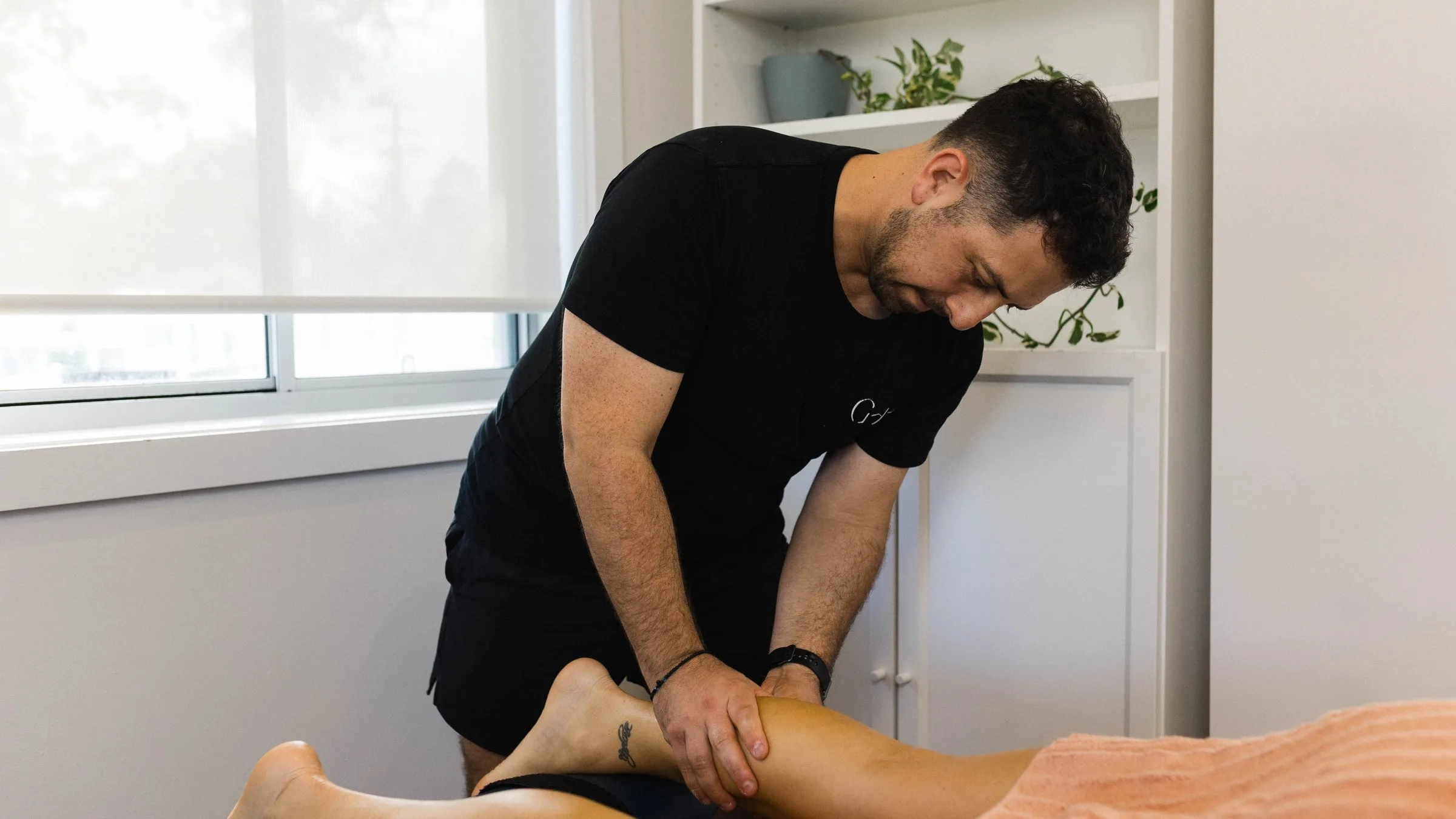
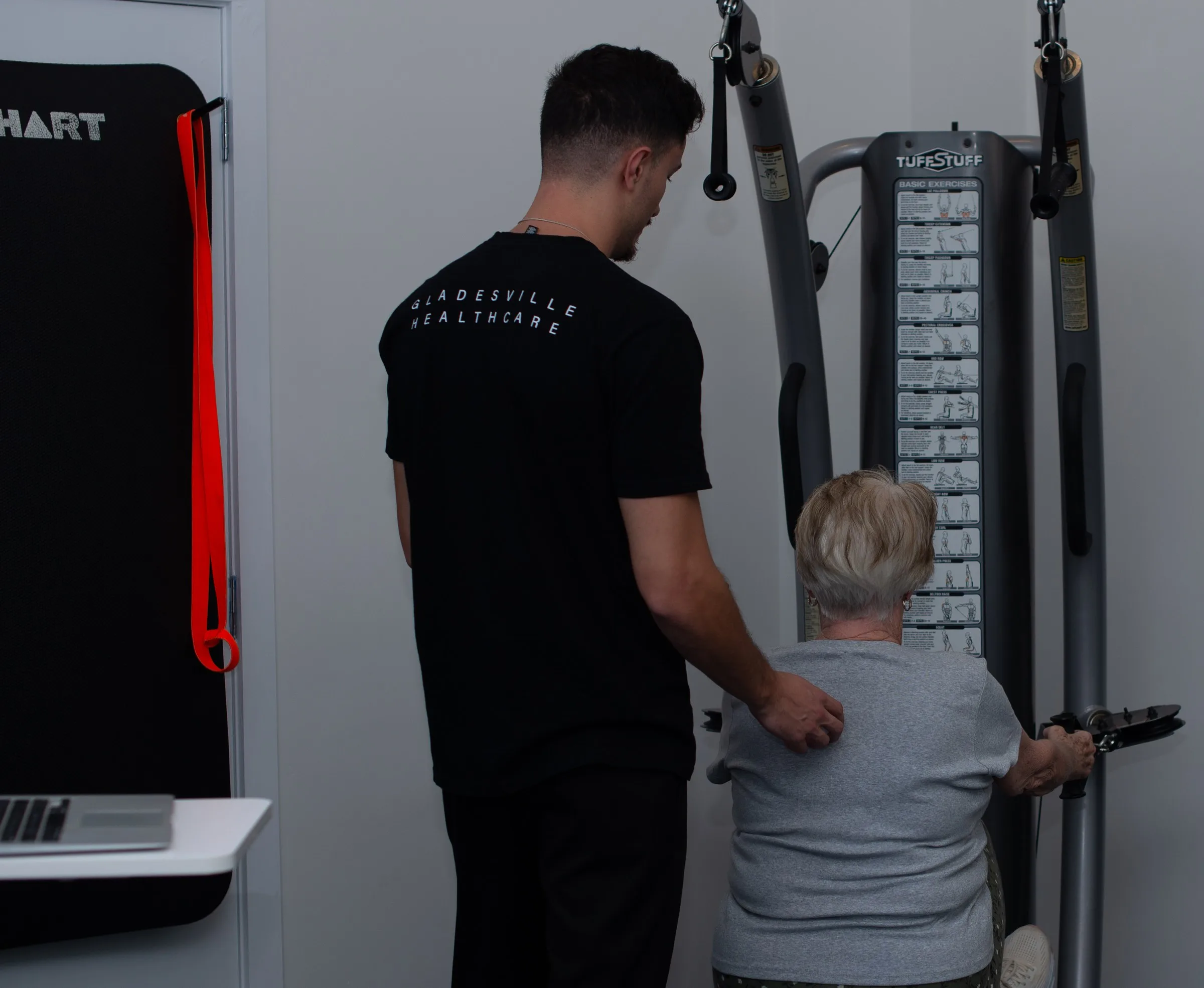
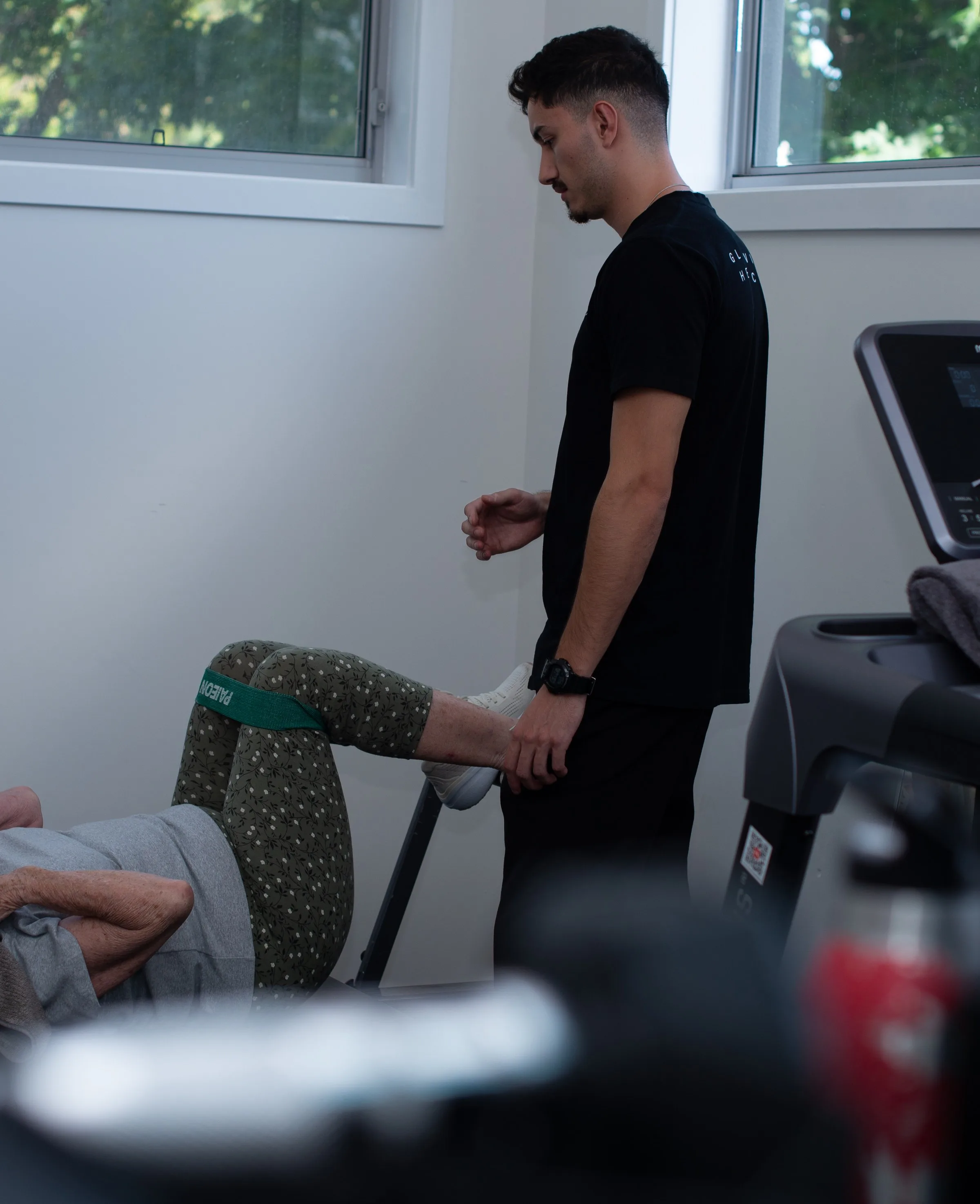
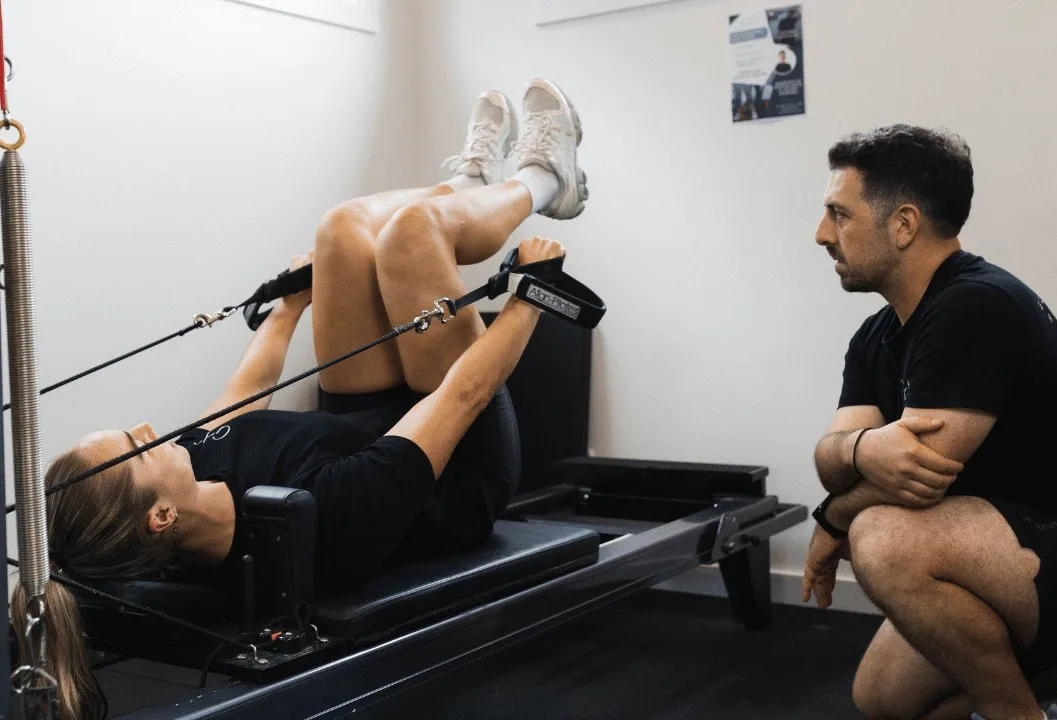
At Gladesville Healthcare, exercise rehab is used to hold the improvement gained in your appointment. Hands-on treatment settles pain and restores movement, but the tissue still has to be able to handle the load you are about to put through it. Your practitioner prescribes a small number of specific exercises, shows you how to do them properly, and progresses them as you improve.
It is used as part of a broader treatment plan rather than on its own. It may be combined with physiotherapy, chiropractic care, dry needling or joint mobilisation, and for more complex or longer-term cases it may be handed over to our exercise physiology team.
What are the benefits?
- Results that hold: Rebuilds the strength and control that stops the same problem returning once treatment ends.
- Fewer appointments: Progress continues between visits, which usually means needing fewer of them.
- Restored capacity: Prepares the tissue for the load of your work, training or daily activity rather than just settling the pain.
- Targeted, not generic: A small number of exercises chosen for your assessment findings, not a printed sheet.
- Confidence to move: Removes the guesswork about what is safe to do while you are recovering.
- Supports every other treatment: Works alongside hands-on care rather than replacing it.
Frequently asked questions
How is this different from seeing an exercise physiologist?
Exercise rehab is the loading side of a musculoskeletal treatment plan, prescribed by your physiotherapist or chiropractor alongside hands-on care. Our exercise physiologists work on a longer horizon and with a broader scope, including chronic conditions, diabetes, cardiac and metabolic health. For complex or long-running cases we hand over between the two.
How many exercises will I be given?
Usually only a few. A long list tends not to get done, so your practitioner will prescribe the smallest number that will actually move things forward, then progress or swap them as you improve.
Do I need a gym membership?
No. Most programs start with exercises you can do at home with little or no equipment. We do have a gym on site, and where equipment-based work is the right call your practitioner can take you through it here.
What if the exercises hurt?
Some discomfort during rehab can be expected, but sharp pain or symptoms that linger afterwards are worth telling us about. That feedback is how the program gets adjusted, so let your practitioner know rather than pushing through it.
How long until I notice a difference?
This varies with the injury and how long it has been there. Strength and tissue capacity take weeks rather than days to change, so exercise rehab is the slower half of your plan and the half that determines whether the result lasts.
Do I have to keep doing them forever?
Generally no. Most programs run for the length of your recovery and then step down. Where a problem has been recurring for years, your practitioner may suggest keeping a small amount of maintenance work going, and will say so plainly.
Can I do exercise rehab if I have never trained before?
Yes. The starting point is set from your assessment, not from an assumed fitness level, and the exercises are demonstrated and coached rather than handed over. Plenty of our patients have never set foot in a gym.