Plantar Fasciitis: Best Treatments to Relieve Heel Pain
That sharp pain in your heel when you take your first steps in the morning is hard to ignore. It might ease as you move around, only to return after a long day on your feet. For many people, this pattern points to one common condition: plantar fasciitis.
Heel pain can affect your ability to walk, exercise, and even stand comfortably at work. The good news is that with the right treatment plan, most cases improve significantly without surgery.
Summary: Plantar fasciitis is a common cause of heel pain, often felt with the first steps in the morning. Effective treatment focuses on reducing strain on the plantar fascia through physiotherapy, targeted stretches, strengthening, footwear advice, and load management. Early treatment improves recovery time and reduces the risk of chronic pain.
What is plantar fasciitis?
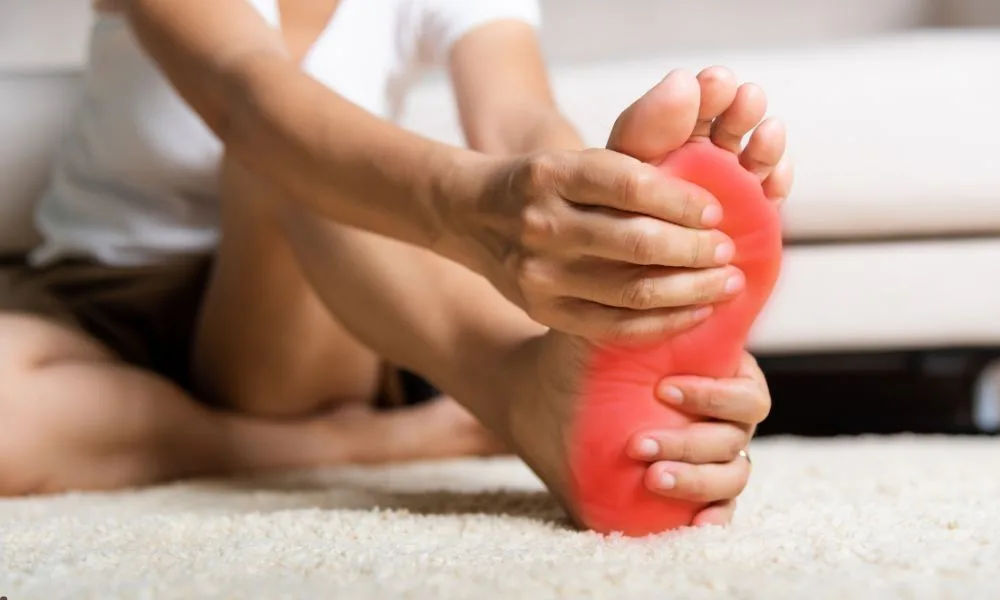
The plantar fascia is a thick band of tissue that runs along the bottom of your foot, connecting your heel bone to your toes. It helps support your arch and absorb shock when you walk or run.
When this tissue becomes irritated or overloaded, small micro-tears can develop. This leads to pain and stiffness, particularly around the heel.
Common symptoms of plantar fasciitis
Plantar fasciitis usually presents with:
- Sharp heel pain when taking your first steps in the morning
- Pain after long periods of sitting
- Discomfort after standing or walking for extended periods
- Tenderness at the bottom of the heel
The pain often improves slightly with movement but may worsen again later in the day.
Why it develops
Several factors can contribute to plantar fasciitis, including:
- Sudden increases in running or walking
- Standing for long hours on hard surfaces
- Wearing unsupportive footwear
- Tight calf muscles
- Reduced ankle mobility
- Weak foot and lower leg muscles
It is rarely caused by one single event. More often, it develops gradually due to repetitive strain.
Best treatments to relieve heel pain
1. Physiotherapy assessment and treatment
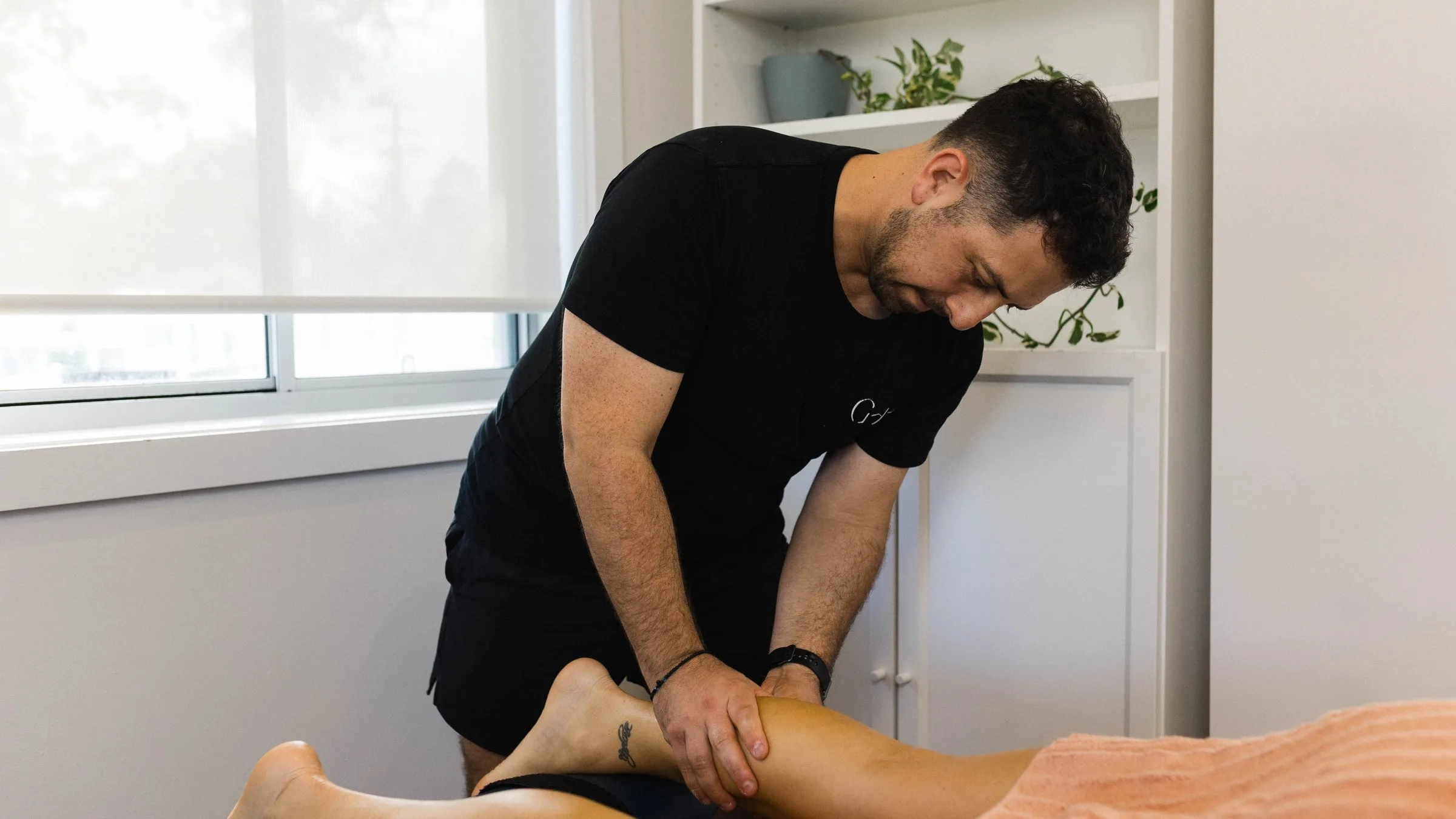
A physiotherapist will assess your foot mechanics, ankle mobility, calf strength, and overall movement patterns. Treatment may include:
- Hands-on therapy to improve joint mobility
- Soft tissue work for tight calf muscles
- Guided strengthening exercises
- Advice on load management
Addressing the root cause reduces the likelihood of ongoing symptoms.
2. Targeted stretching
Stretching the calf muscles and plantar fascia can reduce tension in the heel.
Common stretches include:
- Calf wall stretches
- Towel stretch for the plantar fascia
- Rolling the foot gently over a ball
These should be done consistently and without pushing into sharp pain.
3. Strengthening exercises
Strengthening the small muscles of the foot and the calf complex improves load tolerance. Exercises may include:
- Heel raises
- Toe strengthening drills
- Controlled balance work
Stronger tissues are better able to handle daily stress.
4. Footwear adjustments
Supportive shoes with good arch support and cushioning can reduce strain on the plantar fascia. Avoid walking barefoot on hard floors during recovery.
In some cases, temporary orthotics may help offload the irritated area.
5. Activity modification
You do not always need complete rest, but you may need to temporarily reduce aggravating activities. Gradual reloading under professional guidance supports proper healing.
How long does recovery take?
Most people improve within several weeks to a few months with consistent treatment. Ignoring the pain or continuing to overload the foot can prolong recovery.
Early intervention often leads to faster results.
When to seek professional help
Book an appointment if:
- Heel pain persists for more than two weeks
- It is worsening despite rest
- It affects work or daily activities
- You are unsure which exercises are safe
Persistent heel pain should not be pushed through. Proper assessment makes a significant difference.
Key takeaways
- Plantar fasciitis is a common cause of heel pain
- Morning pain is a typical symptom
- Physiotherapy, stretching, and strengthening are effective treatments
- Supportive footwear and load management are essential
- Early treatment improves recovery outcomes
Meet Michael Wontor – Gladesville Physiotherapist
Michael works with people of all ages, from weekend joggers to retirees, helping them manage pain, restore movement, and rebuild strength. His approach combines hands-on physiotherapy techniques with personalised exercise programs, giving clients both short-term relief and long-term results. Read more about Michael.
A Success Story: From Back Pain to Back on the Golf Course
One of Michael’s recent patients was a 65-year-old golfer living with constant lower back pain.
- The pain was nagging throughout the day.
- Everyday tasks around the house felt restricted.
- Most importantly, it stopped him from enjoying golf – his passion!
Session 1: Michael began with hands-on therapy: soft tissue work and gentle joint mobilisation. This helped free up the back, ease pain, and restore mobility.
Session 2: The patient returned already feeling a noticeable improvement. Daily activities were easier, and pain levels had dropped. But the goal wasn’t just less pain. It was getting back on the golf course.
The Turning Point: Michael transitioned treatment into the clinic gym, designing a strengthening program tailored to golf movements. The focus was on building stability, hip mobility, and strength to support his back during swings. The Result: Within just a few weeks, the patient was back playing golf, confident, pain-free, and doing what he loved most.
View this post on InstagramA post shared by Gladesville Healthcare (@gladesvillehealthcare)
Why Physio for Back Pain Works
Physio treatment for back pain is more than just short-term relief. With the right approach, you can:
- Reduce pain and stiffness
- Improve mobility and posture
- Build long-term strength and resilience
- Get back to sport, work, and everyday life
Whether you’re recovering from an injury, living with chronic pain, or simply want to stay active as you age, physiotherapy can help you move better and feel stronger.
Book Your Physio For Back Appointment Today
At Gladesville Healthcare, Michael provides personalised physiotherapy for back pain that’s tailored to your goals. Whether you want to get back to sport, keep up with family life, or simply move more freely, we’ll create a plan that works for you.
Book your physiotherapy session online today.